Imagine a disease that acts like an infectious outbreak but is actually made of rogue, immortal cloning cells. It sounds like science fiction. For West Coast shellfish, it's a harsh reality.
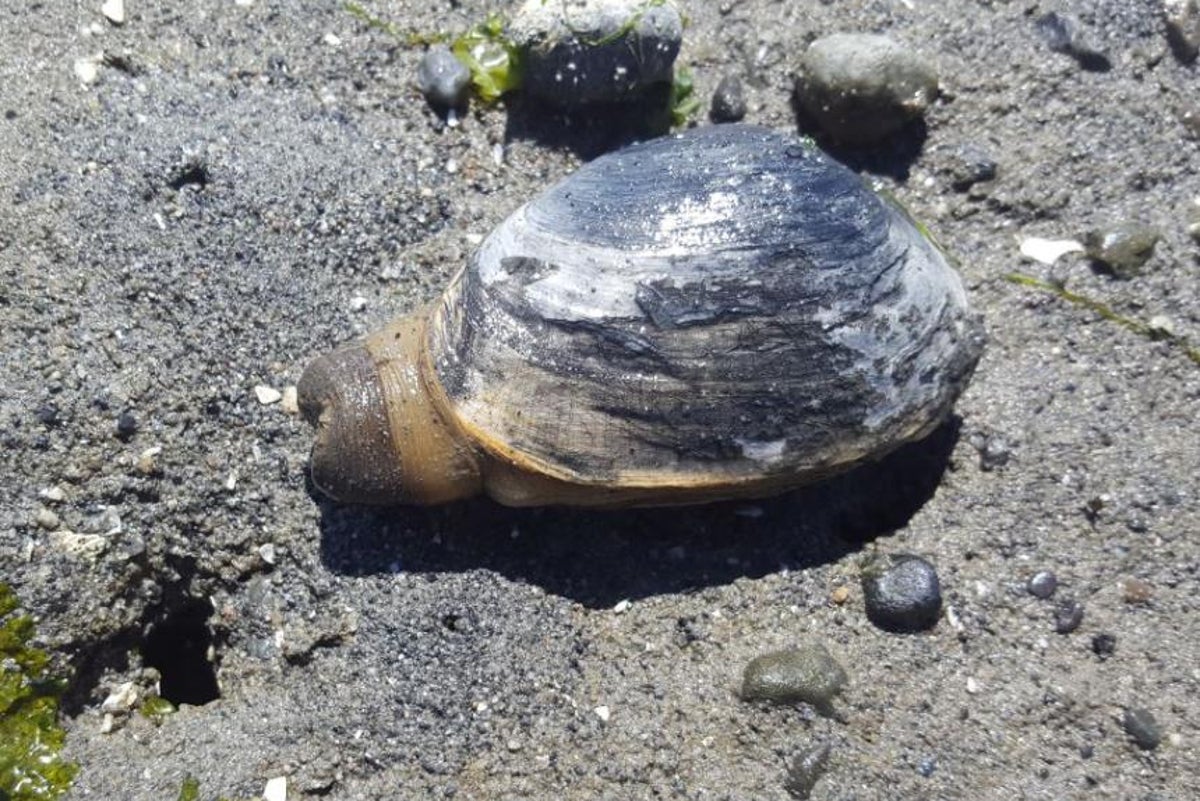
A severe outbreak of a rare, contagious cancer is ripping through soft-shell clams in Washington state’s Puget Sound. The condition, known as bivalve transmissible neoplasia (BTN), doesn't just grow inside a single host. Instead, these cancer cells leave one animal, drift through the seawater, and invade healthy neighbors.
Recent findings published by the Pacific Northwest Research Institute (PNRI) in the Proceedings of the National Academy of Sciences (PNAS) show that the disease has hit a staggering 75% prevalence at key monitoring sites like Triangle Cove. That is a massive spike from 2022 when it was first detected. The worst part? Genetic sequencing reveals this cancer didn't mutate locally. It migrated across the continent from the Atlantic Coast.
Let's look at what is happening beneath the tide lines and why it matters for our coastal ecosystems.
How Cancer Learned to Swim
For a long time, the scientific consensus was simple: cancer dies with its host. Only a few rare exceptions existed worldwide, like the facial tumors destroying Tasmanian devils or venereal tumors in dogs.
That rule doesn't apply underwater.
In bivalves, the disease presents as a form of leukemia. The clam's hemolymph—essentially its blood—thickens into a milky sludge as mutated, rounded cells multiply out of control. These rogue cells drop their normal functions and focus entirely on replication. Eventually, they escape the host's body and float freely.
Because clams are filter feeders, they constantly pump gallons of water through their bodies to catch nutrients. In doing so, they pull in these floating, infectious cancer cells. The invader matches the host species so closely that the clam's immune system fails to recognize the danger until it's too late.
The Transcontinental Leap
What makes the current Pacific Northwest crisis particularly alarming is its origin. Researchers led by PNRI Associate Investigator Michael Metzger determined that the Puget Sound outbreak belongs to the exact genetic lineage found in New England soft-shell clams.
The cancer cells crossed an entire continent.
How did an Atlantic disease end up in Pacific waters? Clams aren't walking across the Rocky Mountains. The most likely culprit is human activity. Accidental transport via ballast water from shipping vessels or the moving of live seafood can easily carry infected seawater or a single sick clam across geographic barriers.
While East Coast clam populations have co-evolved with this lineage for decades—meaning they have built up a baseline of genetic resistance that keeps infection rates stable at around 1% to 5%—the West Coast populations are entirely naive. They have no natural defenses against this specific strain. That's why the disease tore through Triangle Cove so aggressively, infecting three out of every four clams tested.
Environmental Stressors are Fueling the Fire
A disease outbreak doesn't happen in a vacuum. The Puget Sound ecosystem is already under immense pressure from climate change and localized pollution.
Soft-shell clams are vital bio-turbinators and water filters. They clean out bacteria and mix nutrients into the sediment. When they suffer, the whole watershed suffers. Marine heatwaves, like the historic Pacific Northwest heat dome that cooked millions of shellfish alive on beaches, leave surviving populations weak and stressed.
When you combine warming waters, ocean acidification, and runoff pollution, you compromise the animals' immune systems. A stressed clam is a vulnerable target for free-floating BTN cells.
Fortunately, there's no evidence that BTN can cross species barriers to harm humans. You can't catch clam leukemia by eating a plate of steamers. However, the commercial and ecological fallout for coastal communities, localized fisheries, and indigenous tribal lands could be devastating if the disease spreads further down the coast toward Oregon and California.
Tracking the Spread with Environmental DNA
Biologists aren't completely helpless in this fight. To map the outbreak without digging up every beach on the West Coast, the PNRI team pioneered a highly sensitive environmental DNA (eDNA) assay.
By testing simple water samples from 51 locations around Puget Sound, scientists can detect specific genetic markers shed by the cancer cells. The good news? The eDNA tracking shows the disease hasn't completely overtaken the Sound yet; it is still concentrated around the initial hot spots.
Catching the outbreak in its early stages provides a rare, real-time window into evolutionary biology. Researchers can observe exactly how a wild population begins to develop genetic resistance against an invading clone line.
Next Steps for Coastal Protection
We can't cure cancer in wild clams, but we can slow down its transit. If you spend time on the water or work in the maritime industry, localized conservation relies on strict preventative measures.
- Clean your vessels: Thoroughly wash boat hulls, bilge spaces, and trailers before moving between different bodies of water to prevent carrying microscopic cancer cells.
- Never discard live bait or seafood: Do not release unused bait or non-native shellfish into local waters.
- Support localized pollution reduction: Advocate for better stormwater management and agricultural runoff controls to reduce the chemical stress on vulnerable marine environments.