The global panic over a rogue virus spreading in the middle of the Atlantic Ocean is officially behind us. The World Health Organization (WHO) just announced that the hantavirus outbreak tied to the luxury expedition cruise ship MV Hondius is over. The final person under quarantine tested negative and went home. No new cases popped up since late May, giving health agencies across 33 countries a massive sigh of relief.
But you shouldn't just brush this off as another random news blurb. This specific outbreak changed what we know about how certain deadly viruses spread.
When the MV Hondius left Argentina on April 1, the passengers on board thought they were embarking on a dream trip to Antarctica and remote South Atlantic islands. Instead, it turned into a floating quarantine zone. The final tally sits at 13 cases and three deaths. That's a staggering 23% fatality rate. While the immediate danger passed, the story of how a rodent-borne virus took over a modern cruise liner leaves behind some uncomfortable truths about travel, safety, and human-to-human transmission.
The Microscopic Hijacker in Cabin Class
Most people hear "hantavirus" and think of dusty cabins, rural barns, or wilderness camping. That's because the virus typically spreads when humans breathe in airborne particles of infected rodent urine, droppings, or saliva.
The MV Hondius outbreak didn't start on the ship itself. International health investigators traced the origin back to a group of passengers who had been bird-watching in rural areas of Argentina and Chile before they ever boarded the vessel. These areas are known habitats for the long-tailed pygmy rice rat, the primary reservoir for a specific, vicious strain called the Andes virus.
The first passenger started showing symptoms on April 6, just five days after departure. By April 11, he died on board. Initially, the crew chalked it up to natural causes. Then his wife fell ill and died weeks later in a South Africa hospital. By the time a third passenger died on May 2, panic set in.
Here's why the scientific community shifted into high gear: the Andes virus is unique. Unlike almost every other hantavirus on Earth, it can jump directly from human to human through close contact.
When Isolation Fails at Sea
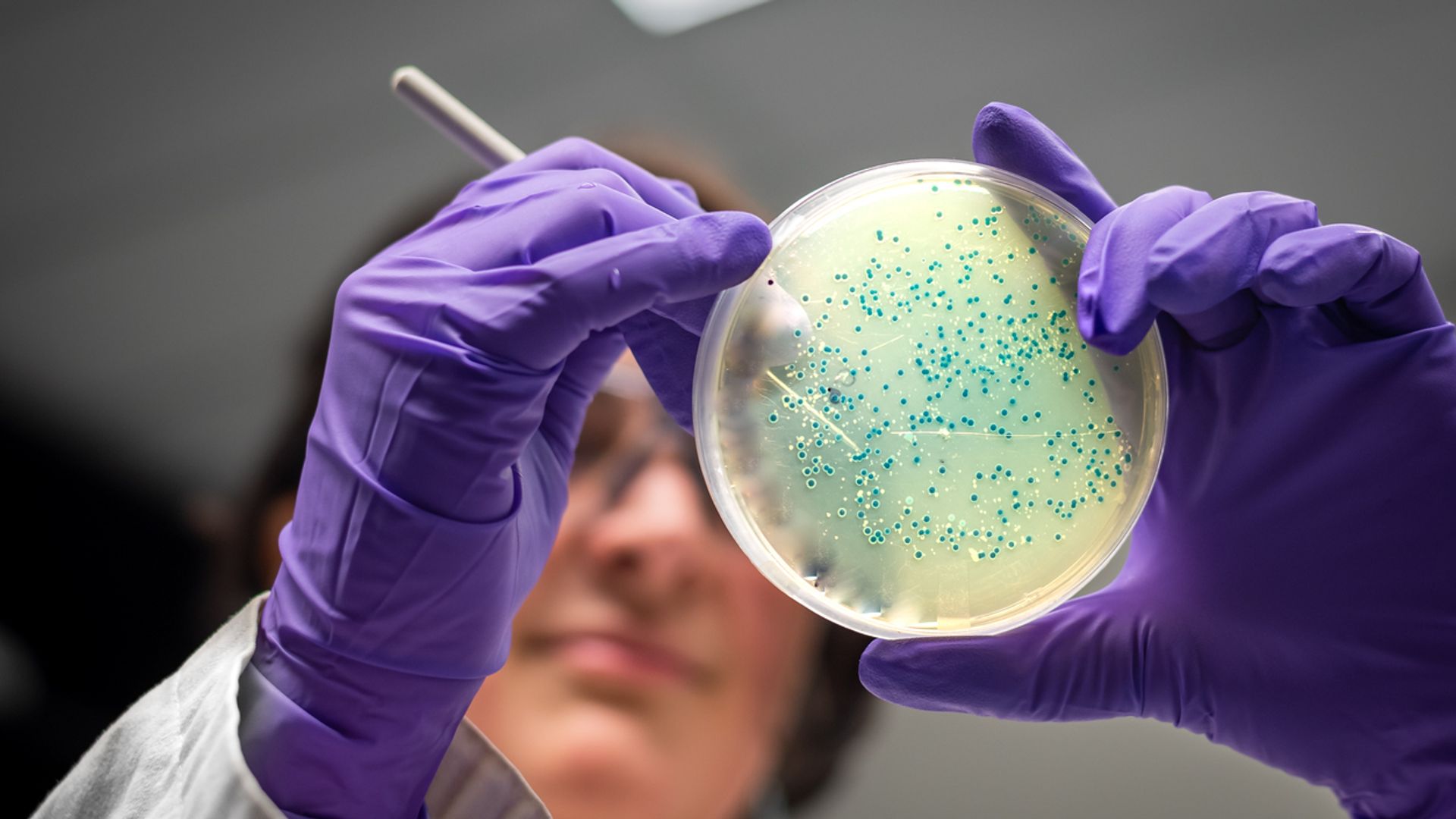
A cruise ship is basically a beautifully decorated Petri dish. You have shared air systems, close dining quarters, and tight hallways. When you're floating thousands of miles from a major medical hub, a virus that can spread between humans is a nightmare scenario.
The ship's own medical officer caught the virus while treating sick passengers. He had to be medically evacuated to the Netherlands. When your line of defense—the ship doctor—goes down, you know you're dealing with a crisis.
Public health responses usually move at a glacial pace, but the threat of a global spread forced an aggressive, multi-country lockdown. The ship was passed around like a hot potato. It stopped at Saint Helena, dropped anchor off Cape Verde, and was eventually guided to a secure port in Tenerife, Spain, for mass disembarkation and repatriation flights.
The U.S. Centers for Disease Control and Prevention (CDC) took no chances. They flew 18 exposed American passengers straight to the National Quarantine Unit at the University of Nebraska Medical Center. Those passengers faced a grueling 42-day quarantine. Why so long? Because the incubation period for hantavirus is deceptively long, sometimes taking up to six weeks to show its face.
The Real Takeaway for International Travelers
It's tempting to look at the resolution of this outbreak and think the system worked flawlessly. The WHO tracked down over 650 contacts across dozens of countries. The CDC trapped rodents along the ship's route in Argentina to see if the vessel itself had an infestation (those tests came back negative, confirming the virus came on board via the passengers).
But don't let the happy ending fool you. The MV Hondius outbreak highlights a massive blind spot in global tourism.
Adventure tourism is booming. Wealthy travelers are paying €14,000 to €22,000 a ticket to trek through pristine, ecologically diverse landscapes in South America before boarding luxury vessels. They transition from deep-wilderness exposure to high-density communal living within 24 hours. Cruise lines screen for common gastrointestinal bugs like Norovirus, but they aren't equipped to catch rare, slow-burning hemorrhagic or respiratory viruses contracted during pre-cruise excursions.
The WHO is currently coordinating a massive study across 21 countries to analyze data from this specific outbreak. They want to understand how the disease progresses and build better diagnostic tools.
If you're planning a trip to endemic regions in South America, don't rely solely on the cruise line's standard health questionnaire. Avoid entering enclosed, dusty structures in rural areas where wild rodents nest. Use insect and rodent precautions, and if you develop a sudden fever, deep muscle aches, or shortness of breath after a wilderness trek, tell a doctor exactly where you've been. The MV Hondius proved that what happens on land doesn't always stay on land.
If you are planning an adventure cruise anytime soon, check the destination's endemic virus advisories before booking your pre-trip excursions.