Hollywood just got a brutal reminder that the era of blank-check streaming budgets is officially dead.
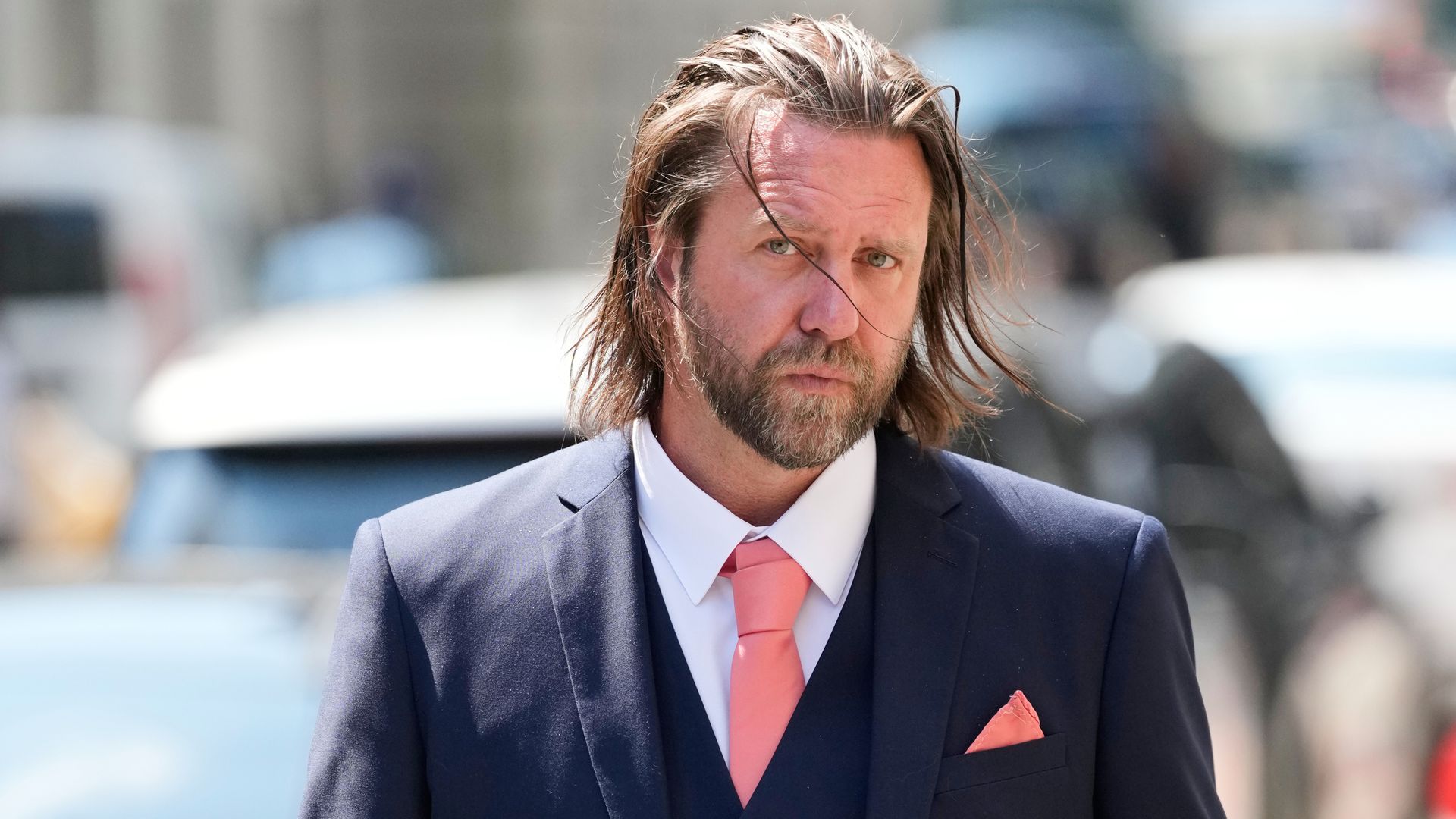
Carl Erik Rinsch, the director behind the infamous box office flop 47 Ronin, just received a 30-month federal prison sentence. His crime? Defrauding Netflix out of $11 million. The money was supposed to fund a highly anticipated sci-fi series called White Horse (later titled Conquest). Instead, the funds paid for a fleet of luxury cars, expensive watches, and two custom mattresses that cost an mind-boggling $638,000.
This is not just another story of Hollywood greed. It highlights a massive structural failure in how modern entertainment companies greenlight content.
The $55 Million Ghost Show
To understand how we got here, you have to look at how desperate the streaming wars were a few years ago. Platforms threw money at anyone with a pitch. Netflix initially paid Rinsch around $44 million for his sci-fi concept. By 2020, Rinsch claimed he needed an extra $11 million to finish production. Netflix cut the check.
The production money never made it to the set.
Federal prosecutors proved that Rinsch quickly transferred that final $11 million straight into a personal brokerage account. He lost over half of it in less than two months making incredibly risky bets on the stock market. Desperate to recoup the losses, he threw the remaining cash into cryptocurrency speculation. Surprisingly, he actually made a profit on crypto. But instead of returning the money to the production, he went on an absolute spending spree.
The final tally of his personal shopping list includes:
- Five Rolls-Royces
- A red Ferrari
- $652,000 worth of designer clothes and luxury watches
- $638,000 on just two mattresses
- An additional $295,000 on high-end bedding and linens
While Rinsch lived like a billionaire in five-star hotels, Netflix executives wondered why they had not seen a single finished episode. The show was officially shelved in 2021.
When Famous Friends Are Not Enough
During the sentencing in New York, Rinsch and his defense team tried to pivot. They blamed his actions on severe mental health struggles and pharmaceutical medication issues. Rinsch told U.S. District Judge Jed S. Rakoff that he failed to recognize the dangerous state he was in and admitted that real harm was caused.
Even A-list star Keanu Reeves tried to help. Reeves, who starred in Rinsch’s 2013 film, submitted a letter to the court asking for mercy. Reeves wrote that the director could self-sabotage by amplifying the scale and scope of what had been negotiated, blaming the behavior on a misuse of medications.
The judge did show some leniency, cutting the prosecution's requested five-year sentence down to two and a half years. However, Judge Rakoff made it clear that mental health difficulties do not excuse deliberate lies to steal millions. Along with prison time starting this September, Rinsch must pay back the $11 million in restitution and undergo outpatient mental health treatment.
What Production Companies Must Do Right Now
If you manage a production budget or run a creative business, this entire mess offers a few harsh lessons on risk management. You cannot rely on trust alone when millions are on the line.
Enforce Milestone-Based Funding
Never hand over a massive chunk of cash based on a promise. Tie every single dollar to a physical deliverable. If a director wants an extra phase of funding, they need to show rough cuts, completed visual effects shots, or verified payroll receipts from the previous phase.
Demand Third-Party Audits
Hollywood historically uses production accountants, but streaming platforms frequently bypassed traditional studio guardrails to move faster. Establish independent, third-party oversight on all production accounts. A creative lead should never have direct, unmonitored transfer authority over corporate funds into personal brokerage accounts.
Watch the Red Flags
Netflix ignored massive warning signs. Rinsch had a track record of chaotic productions, and his behavior became increasingly erratic during the filming of White Horse. When a creator misses basic deadlines or goes silent, freeze the accounts immediately.
The wild days of tech companies handing over tens of millions to unproven concepts with zero oversight are done. Streamers are finally acting like traditional studios. They are keeping the receipts, tracking the accounts, and as Carl Erik Rinsch found out, calling the feds when the money vanishes.