You can buy almost anything online nowadays. But in the darkest corners of the internet, people are paying to watch human beings get tortured in real time. They call it trash streaming. It is raw, it is cruel, and it is incredibly lucrative.
Now, French justice is finally catching up with the creators who built an empire on pain.
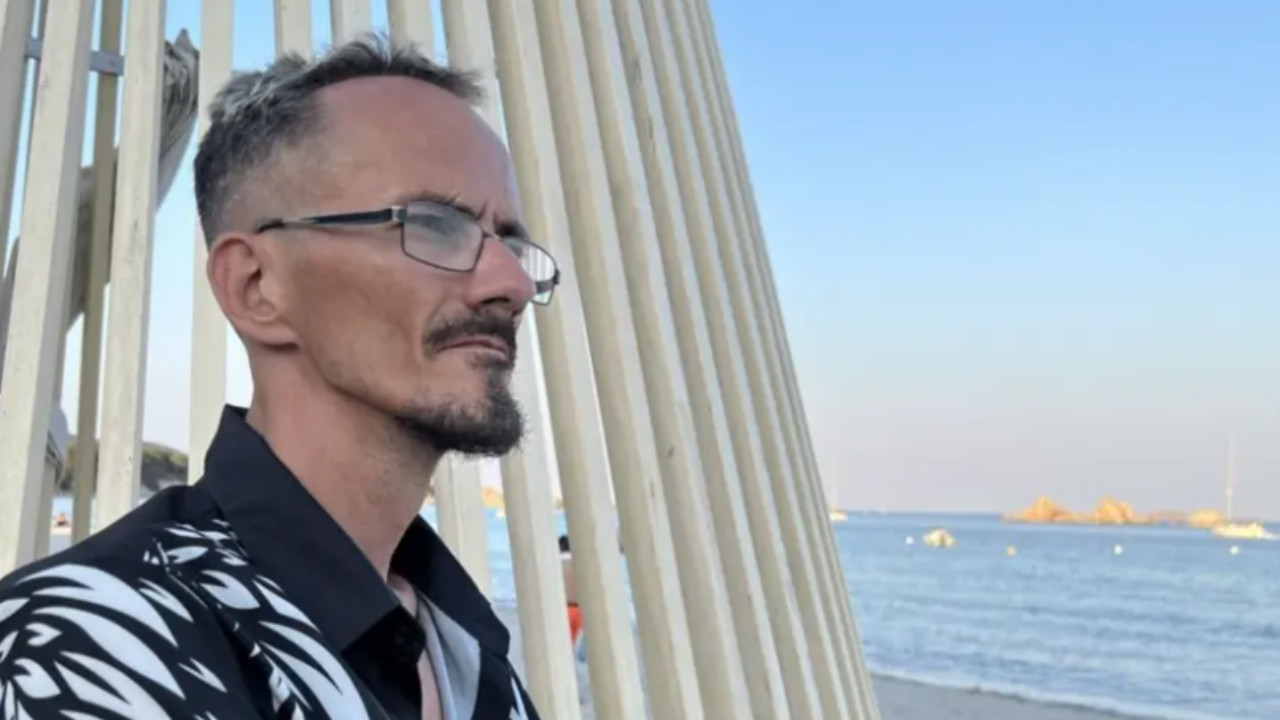
In a courtroom in the southern city of Nice, prosecutors are demanding jail time and absolute social media bans for the creators who built their audience by humiliating 46-year-old Raphaël Graven, better known to his hundreds of thousands of followers as Jean Pormanove. Graven died in August 2025 during an absurd, non-stop livestream that lasted more than 280 hours.
The details of this trial expose a terrifying reality. It shows how platforms fail to protect the vulnerable, how viewers egg on horrific abuse with their wallets, and why the legal system must adapt before more people die for clicks.
The Grim Demands in a Nice Courtroom
French prosecutor Maud Marty did not hold back in her closing arguments. She looked at the two young men sitting in the dock and described their broadcasts not as harmless internet jokes, but as a systematic campaign of human degradation.
Marty requested a 30-month sentence for 26-year-old Owen "Naruto" Cenazandotti. She wants him to serve at least one year of that sentence locked at home wearing an electronic monitoring bracelet, combined with a €30,000 fine. For his 23-year-old co-host, Safine Hamadi, Marty asked for an 18-month suspended sentence under strict probation and a €15,000 fine.
But the most significant penalty on the table is not the jail time. It is the demand to ban both men from ever creating content on online platforms again.
This is the ultimate digital death penalty. If the court grants this request, it sends a clear message to the entire streaming industry. If you abuse people for views, you lose your right to have an audience. Period.
Inside the Abuse Business of Jean Pormanove
To understand how we got here, we have to look at what actually happened on that channel. Raphaël Graven was a former soldier who found a second life on TikTok and Twitch. He was explosive, loud, and prone to extreme outbursts. That made him perfect bait for the internet.
In late 2024, Cenazandotti and Hamadi teamed up with Graven. They migrated their operations to Kick, an Australian-based streaming platform known for its incredibly lax moderation policies. On this new channel, they built what French media outlet Mediapart later exposed as a highly organized "abuse business".
They did not just stream video games. They streamed cruelty.
The setups were simple but devastating. They targeted Graven and another vulnerable man known online as Coudoux, who lived under legal guardianship. Viewers would send financial donations to trigger specific "challenges".
These challenges were not innocent. They involved slapping Graven, kicking him, throwing plastic water bottles at his face, pulling his hair, dousing him in paint, and shooting him with paintball guns.
In one of the most chilling legal discoveries, the younger streamers even forced Graven and Coudoux to state on camera that if they died during a stream, it would be their own fault, not the fault of the hosts. They knew they were playing with fire. They just did not care because the cash kept rolling in.
The Fatal Stream and the Awful Aftermath
It all came to a head on August 18, 2025. The group was in the middle of a massive streaming marathon that had been running continuously for twelve straight days.
Graven, who reportedly suffered from underlying cardiovascular issues, began showing signs of severe breathing distress. He lay motionless under a bed cover.
A viewer in the chat noticed something was terribly wrong. The donor explicitly warned Cenazandotti that Graven was not breathing and looked like he was dying.
Instead of calling emergency services immediately, Cenazandotti decided to check on Graven by throwing a plastic water bottle at him. When that did not work, he slapped him across the face. Only when it became undeniable that Graven was dead did they finally cut the feed.
An autopsy later confirmed that Graven did not die from direct physical trauma inflicted by the slaps or the paintballs. He died of natural, medical causes, likely accelerated by the sheer exhaustion of a 12-day non-stop broadcast in a highly stressful environment.
Because of this, Cenazandotti and Hamadi are not being tried for murder or manslaughter. Instead, they face charges of group violence, abuse of a vulnerable person, distributing violent images, and inciting hatred.
The Staged Entertainment Defense
During the trial, the defense team tried to use a classic internet excuse. They claimed it was all just a show.
Cenazandotti argued that the violence was completely staged and scripted. He told the court that they were simply actors putting on a performance to create "buzz" and make money. He even had the audacity to claim that these videos brought happiness to many viewers and that they never intended to hurt anyone.
Even Graven's own mother defended the younger streamers after his death, claiming they actually helped her son enjoy his life.
But the prosecution is refusing to buy into this twisted logic.
Even if a vulnerable person consents to being slapped, humiliated, and shot with paintballs for money, that consent does not make the act legal. You cannot contract your way out of basic human dignity.
Hamadi seemed to realize this during the trial, admitting to the court that he was not proud of what he had done. But regret after the fact does not erase months of documented cruelty broadcasted to thousands of cheering spectators.
Kick and the Legal Accountability of Platforms
This case is about more than just two cruel streamers. It is about the systemic failure of the platforms that host them.
After Graven’s death, the French government went on the warpath against Kick. Clara Chappaz, the French Digital Affairs Minister, launched a direct judicial investigation into the platform. She publicly accused Kick of failing to moderate dangerous and illegal material, pointing out that Graven had suffered months of very public humiliation before anyone did anything about it.
The Paris prosecutor's office is also investigating whether Kick violated the European Union’s Digital Services Act (DSA).
Under the DSA, tech platforms cannot just play dumb. They are treated as hosts, meaning they are not automatically liable for what users post, but they must act "promptly" to remove illegal content once they are notified of it.
Kick failed this test miserably.
The "Jeanpormanove" channel had already been banned once in late 2024 after live-streaming Nazi salutes and physical assaults on disabled guests. Yet, Kick allowed the channel to come right back online just days later. The platform only permanently banned the co-streamers after Graven died and the media fallout threatened their bottom line.
Why Social Media Bans Must Become Standard Sentences
If we want to stop trash streaming, we have to hit these creators where it actually hurts.
A year of home confinement with an electronic bracelet is a minor inconvenience for someone who already spends their entire life streaming from a bedroom. A €30,000 fine is just the cost of doing business when you are pulling in massive donation revenues from a global audience.
The only real deterrent is a lifetime ban from digital creation.
We already ban drunk drivers from operating cars. We ban corrupt financial advisors from managing money. It is time we start banning abusive content creators from using the internet to build an audience.
This trial is a crucial test case. If the French courts successfully enforce a lifetime social media ban, it will set a massive legal precedent across Europe. It will give prosecutors a brand-new tool to shut down the trash-streaming economy for good.
Where We Go From Here
The verdict in this trial will decide more than just the fate of two streamers in Nice. It will define the boundaries of online decency and platform responsibility for years to come.
If you want to help clean up the digital space, you do not have to wait for the courts. You can take action right now.
- Report the content immediately. Do not just close the tab when you see someone being abused or humiliated on platforms like Kick, TikTok, or Twitch. Use the reporting tools and flag it as physical abuse or harassment.
- Starve them of attention. The lifeblood of trash streaming is the crowd. Do not click, do not comment, and certainly do not donate. Even negative engagement pushes these streams higher in the platform algorithms.
- Hold platforms accountable. Support legislative efforts like the EU Digital Services Act that force tech companies to actively moderate their spaces or face massive, company-ending fines.
The era of platforms looking the other way while people get abused for profit must end. Raphaël Graven paid for that lesson with his life. Let's make sure it is the last time anyone has to.