When a U.S. Special Operations helicopter or tiltrotor flies into hostile airspace, the crew doesn't always see the threat coming. Anti-aircraft missiles don't always leave a visible smoke trail, and radar waves are completely invisible. By the time a radar-guided weapon locks onto a low-flying transport, the margin for error drops to zero.
That's why the U.S. Special Operations Command, known as USSOCOM, just quietly handed L3Harris Technologies a massive $614 million contract. The deal focuses entirely on keeping those elite, highly specialized aircraft safe from radar-guided threats.
This isn't a purchase of flashy new hardware. It's a massive logistics and engineering commitment to maintain, upgrade, and support a vital electronic defense system. If you want to understand how modern electronic warfare keeps elite troops alive when everything goes wrong, this massive deal tells the whole story.
The Invisible Shield Protecting Special Operations
The $614 million deal is an indefinite-delivery/indefinite-quantity contract. It covers long-term contractor logistics support, engineering services, material procurement, and field support for a highly specialized piece of technology: the AN/ALQ-211 Suite of Integrated Radio Frequency Countermeasures, or SIRFC.
USSOCOM isn't buying a new system. It's doubling down on sustaining a platform it already trusts.
L3Harris designed and developed the AN/ALQ-211. Because the firm holds the proprietary intellectual property rights, it's the only entity in the world qualified to keep this equipment running at peak performance. For a unit operating in high-stakes environments, relying on third-party fixes isn't an option.
The contract structure blends firm-fixed-price and cost-reimbursement segments. Right out of the gate, USSOCOM obligated $40.7 million using fiscal 2025 and 2026 procurement funds, alongside 2026 operations and maintenance budgets. This cash flows directly to keeping field service representatives embedded with elite units.
How the AN/ALQ-211 Actually Saves Lives
The average person thinks of aircraft defense as flares shooting out of a fuselage. Flares work great against heat-seeking missiles. But radar-guided missiles don't care about heat. They track the electronic signature of the aircraft itself.
The SIRFC acts as an electronic shield. When an enemy radar sweeps the sky, the AN/ALQ-211 detects the signal instantly. It calculates the direction, identifies the specific type of threat, and warns the pilot.
If a missile fires, the system takes over. It blasts out precise radio frequency interference to confuse the incoming weapon. It essentially blinds the missile's radar tracking system, making the aircraft look like it's somewhere else entirely.
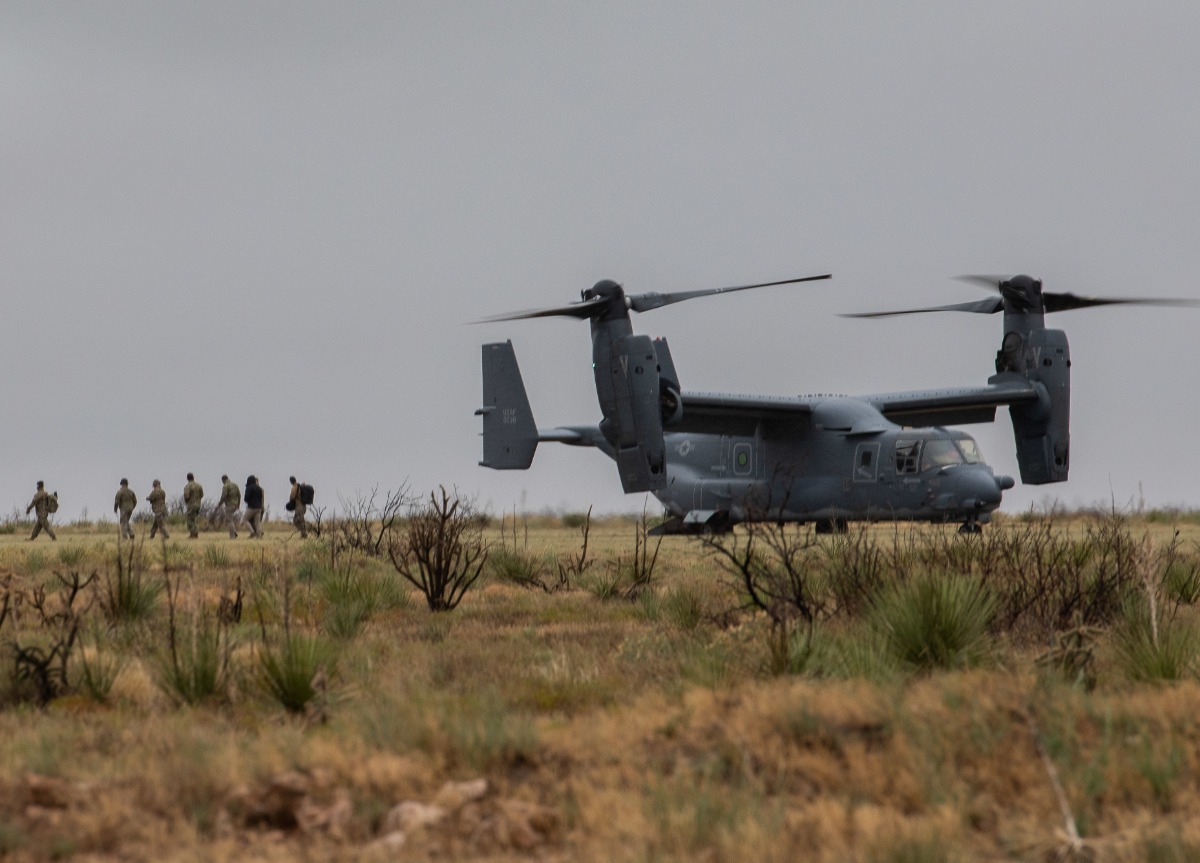
For platforms like the CV-22 Osprey or specialized MH-47 Chinook helicopters, this system makes the difference between completing a mission and catastrophic loss. These aircraft carry highly trained operators into dangerous territory. They fly low, heavy, and loud. They need electronic superiority to survive.
Why Logistics Matter More Than Shiny New Tech
Military tech analysts often obsess over the next big invention. They want to talk about laser weapons or artificial intelligence. But seasoned defense professionals know that maintenance wins wars.
A high-tech jamming pod is completely useless if a single internal component fails in the middle of a desert deployment.
This contract funds the unglamorous work that actually keeps equipment functional. It places L3Harris engineers directly on the ground where operations happen. When a system glitches, a field service representative diagnoses the issue immediately. It keeps the supply chain moving so replacement parts arrive before a system breaks down.
L3Harris has quietly cornered this market. The company previously landed a $947.3 million Air Force contract to support the AN/ALQ-172 countermeasures program, followed by a $34 million modernization boost. They understand that securing the sustainment contract is how you maintain a dominant position in the defense sector.
The Reality of Modern Electronic Warfare
The global security landscape is shifting rapidly. Peer adversaries possess highly sophisticated radar networks that can spot low-flying aircraft from miles away. The era of assuming complete air supremacy is over.
Every mission into contested territory requires an electronic warfare strategy. If your radio frequency countermeasures fail, your multi-million-dollar stealth features don't matter.
This massive allocation of funds shows where military leadership views the real threat. It's not just about building a faster helicopter. It's about ensuring the aircraft we already have can survive the sophisticated tracking systems proliferating across the globe.
Next Steps for Defense Analysts and Investors
If you track defense acquisitions or work within the defense industrial base, this contract sends a clear signal about current spending priorities.
- Watch the Solicitations: Keep a close eye on upcoming USSOCOM and Air Force Special Operations Command presolicitation notices on SAM.gov. The emphasis is heavily shifting toward electronic warfare sustainment rather than raw airframe acquisition.
- Monitor Supply Chain Dependencies: L3Harris holds the intellectual property for the SIRFC, but sub-tier suppliers for specialized radio frequency components will see stable, predictable demand over the life of this multi-year contract.
- Evaluate Portfolio Mix: For institutional investors looking at aerospace and defense stocks, prioritize prime contractors with long-term, high-margin logistics and services backlogs over those relying solely on volatile, single-delivery hardware manufacturing contracts.
:max_bytes(150000):strip_icc():focal(629x0:631x2)/serena-williams-best-fashion-48-b299a306ee5549dcb0ec248380d0df39.jpg)