You can bet on the next move of the Federal Reserve. You can bet on global temperature records. You can even bet on who wins an election across the globe. But if you do it from a high-rise in Central or a coffee shop in Mong Kok, are you trading a sophisticated financial derivative or just running an illegal gambling operation?
That is the question hitting Hong Kong right now. The arrival of prediction markets on mainstream retail brokerages like Interactive Brokers and Webull has forced a quiet panic inside the city's regulatory halls. It isn't just an academic debate. It's a legal minefield.
For years, prediction platforms like Polymarket operated in a regulatory gray zone, largely out of reach of local authorities because they used crypto wallets and decentralized protocols. But when institutional brokers start plugging these event contracts directly into standard trading apps, the gray zone evaporates. You're left with a stark choice. Either these are valid futures contracts governed by the Securities and Futures Commission (SFC), or they violate the strict local Gambling Ordinance.
The New Trading Frontier
Prediction markets let people buy and sell contracts based on the outcome of future events. Each contract resolves to a binary outcome. It pays out one US dollar if the event happens and zero if it doesn't. If the market thinks there's a 60% chance the Fed cuts rates in July, the contract trades around 60 cents.
Proponents say these platforms aggregate information better than any think tank or pollster. They call it crowd-sourced wisdom. Critics call it a casino disguised as a Bloomberg Terminal.
When Interactive Brokers launched its ForecastEx platform to Hong Kong users, it brought this debate straight to the retail market. Suddenly, a mom-and-pop investor who usually trades HSBC stock can toggle over to a tab and buy a contract on whether US carbon emissions will drop. Webull followed with similar event contracts. These aren't shady offshore websites. These are heavily regulated, licensed corporations operating under the watchful eye of the SFC.
That creates an immediate paradox. How can an SFC-licensed broker offer a product that might technically meet the definition of illegal gambling under Hong Kong law?
Financial Product vs Illicit Betting
To understand why this is a nightmare for lawyers, you have to look at the wording of Hong Kong's laws. The Gambling Ordinance is old. It was designed to catch underground bookmakers, illegal mahjong dens, and offshore sports betting rings. Under the law, gambling includes betting and bookmaking. A bet requires staking money on the outcome of an uncertain event with the hope of winning a prize.
On paper, a prediction market contract looks exactly like a bet. You buy a "Yes" contract on an election. If your candidate wins, you get paid. If they lose, your money is gone.
But wait. A standard financial option looks exactly like that too. If you buy a call option on Tencent stock and the price falls below the strike price by expiration, your option expires worthless. You lose your premium. If the stock goes up, you make money.
Why is the Tencent option legal while a bet on an election is a crime? The answer lies in the Securities and Futures Ordinance (SFO). The SFO explicitly excludes regulated financial derivatives, futures contracts, and structured products from the gambling laws. If the SFC licenses it, it isn't gambling. It's investing.
This is where things get messy. For a product to be recognized as a futures contract under Hong Kong law, it typically needs to relate to an underlying financial asset, commodity, or economic index. Stock prices, gold futures, and the Consumer Price Index fit neatly into this box. But what happens when the contract is based on who wins the Best Picture Oscar or whether a tech company drops a new software update by next Tuesday?
The SFC has stated it takes a case-by-case approach. That is regulatory code for "we'll know it when we see it, and we don't want to make a hard rule yet."
The Case-by-Case Regulation Trap
Taking things case by case sounds responsible. It allows regulators to be flexible. In reality, it creates massive uncertainty for businesses and investors.
If a broker wants to launch a new set of contracts, they have to guess whether the SFC will view those specific contracts as legitimate risk-management tools or pure speculative gambling. Contracts tied to interest rates or macroeconomic data are relatively safe. They look like traditional economic derivatives. Traders use them to hedge genuine commercial risks. A property developer might use an interest-rate contract to protect against rising borrowing costs.
But what about political outcomes? A massive corporate multinational definitely faces financial risks depending on who wins a presidential race. Tax policies change. Tariffs get slapped on overnight. Regulating a political contract as a financial hedge makes sense for them. But to a retail trader risking fifty bucks on a debate performance, it's just a flutter.
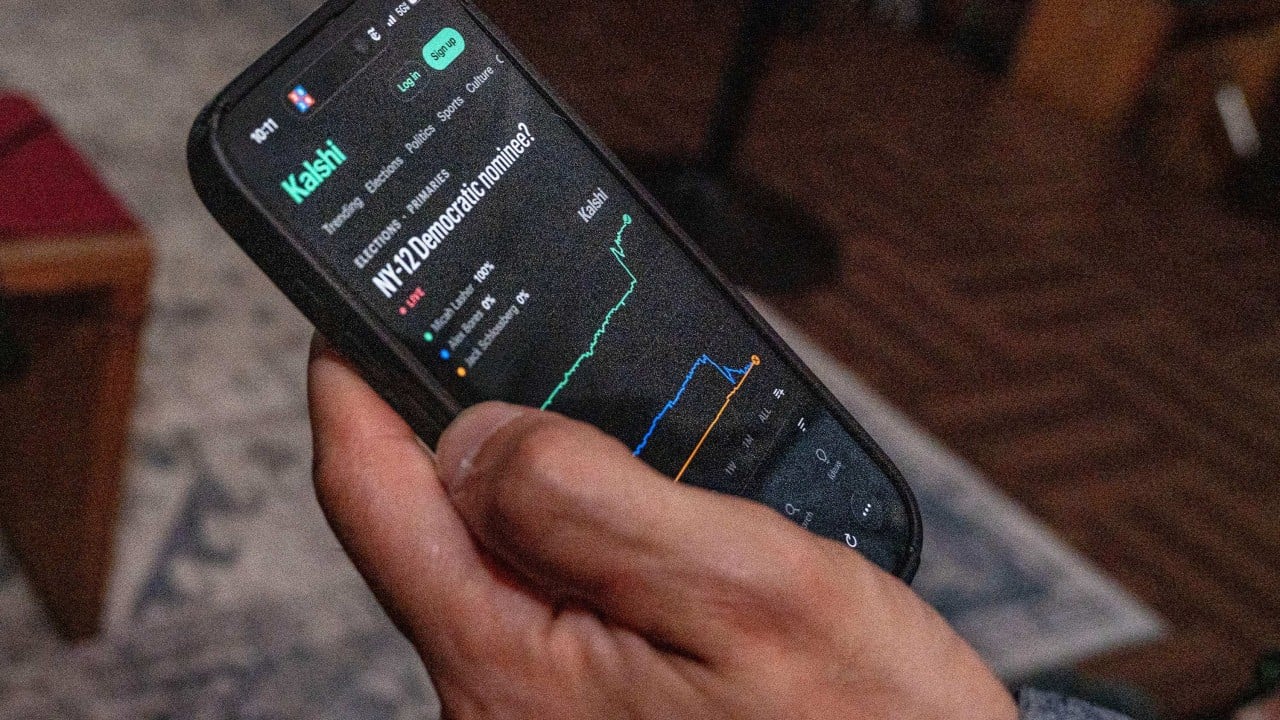
The SFC's cautious stance means Hong Kong risks falling behind. While the US Commodity Futures Trading Commission (CFTC) battles platforms like Kalshi in court over the right to list election markets, other jurisdictions are moving fast. If Hong Kong hesitates too long, the volume simply migrates to unregulated, decentralized platforms where local laws can't protect anyone.
Why Global Markets Shift the Ground
The legal community in Hong Kong knows that drawing a hard line is nearly impossible. If the government tries to ban prediction markets outright, they face an enforcement nightmare.
You can't easily block a determined trader from using a decentralized application with a VPN and a Web3 wallet. A blanket ban just pushes the activity underground. It deprives the local market of a massive liquidity pool and deprives the government of potential tax revenue.
More importantly, it hurts the city's status as a top-tier financial hub. Hong Kong prides itself on having sophisticated, adaptable financial markets. If it decides that trading event contracts is no different than placing a bet on a horse race at Happy Valley, it signals to fintech innovators that the city is closed to new asset classes.
Look at how the city handled crypto. It went from a laissez-faire approach to a strict licensing regime for virtual asset trading platforms. It didn't ban crypto. It brought it into the regulatory tent. Prediction markets need the same treatment. They need clear boundaries, not vague warnings about case-by-case reviews.
The Real Stakes for Local Investors
Right now, if you're a retail investor in Hong Kong using an authorized broker to buy these contracts, you aren't breaking the law. The risk sits mostly with the platforms and the brokers who provide access. They are the ones walking the legal tightrope.
If the government suddenly declares that a specific category of event contracts constitutes illegal gambling, brokers will have to yank those products instantly. Positions will be liquidated. Liquidity will dry up. Investors who thought they were holding a valid financial hedge will find themselves holding a deleted feature on an app.
The path forward requires the SFC to define a clear test for what makes an event contract a financial product. It shouldn't depend entirely on the subject matter of the contract. It should depend on the structure of the market, the transparency of the pricing, and the presence of consumer protections.
A transparent, exchange-cleared contract offered by a licensed broker with strict capital requirements is not an underground bookie. Treat it like a financial instrument. Regulate the leverage, enforce disclosure rules, and let adults trade.
If you want to manage your exposure to global events, you should have the tools to do so right from your local brokerage account. Demand clarity from the regulators. Watch the platform notices carefully before you park significant capital in event contracts. The legal status of your next trade is still being written.