Quebec politicians are walking away from anglophone voters, and they aren't even hiding it anymore.
An English-language debate ahead of the October 5 provincial election is officially dead. A media consortium representing Montreal's major English outlets—including CBC, CTV, Global, CityNews, CJAD 800, and The Gazette—had invited the heads of all five major parties to a 90-minute televised debate on September 24. It won't happen.
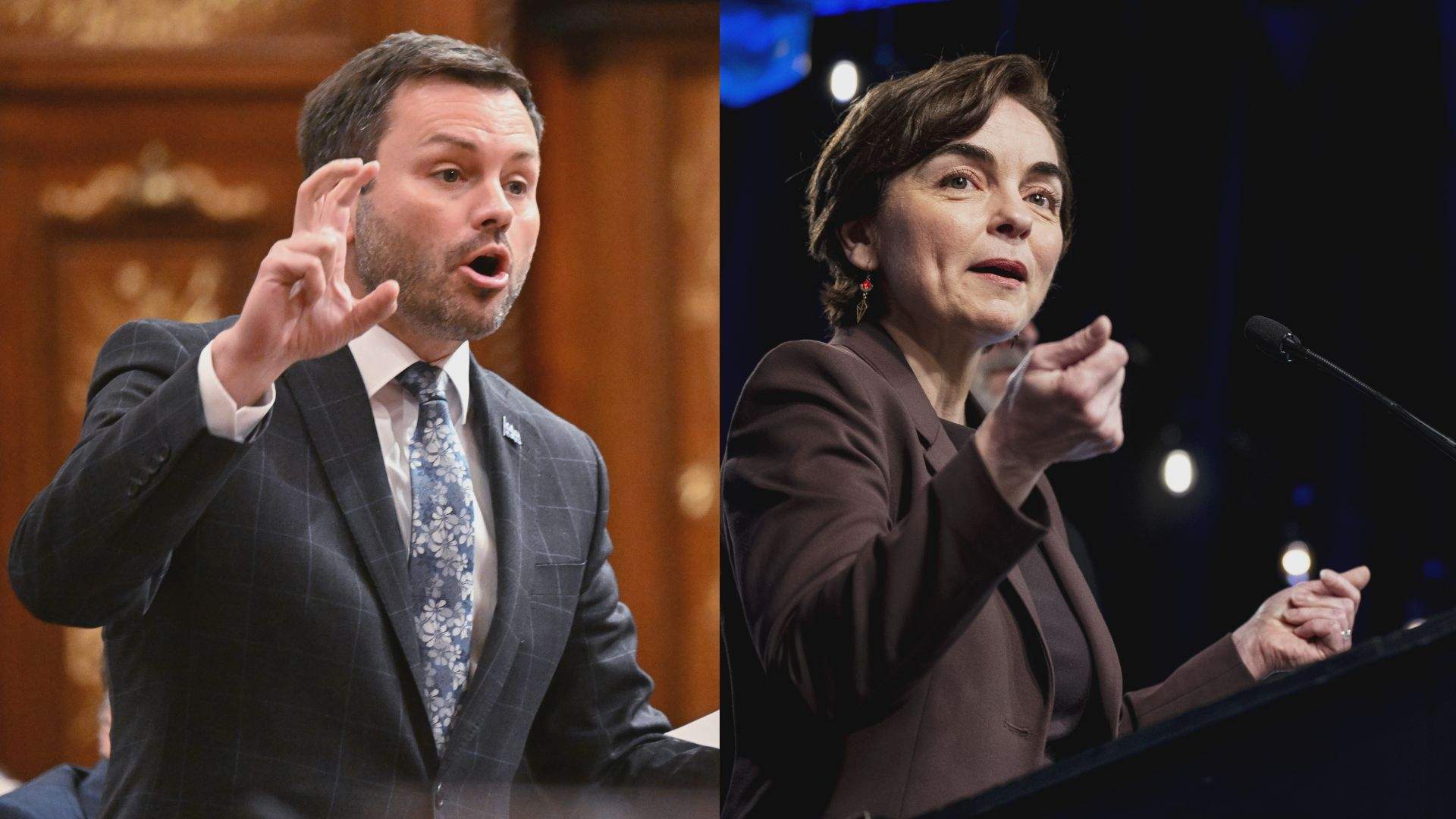
The decision collapsed because Premier Christine Fréchette's governing Coalition Avenir Québec (CAQ) and Paul St-Pierre Plamondon's Parti Québécois (PQ) flatly refused to show up.
This isn't a scheduling mix-up. It's a calculated strategy. For the CAQ and the PQ, talking directly to English-speaking Quebecers offers almost zero political reward, but carries massive risks with their core francophone voting bases.
The Excuses vs the Reality
The public explanations from the boycotting parties smell like classic political spin.
A spokesperson for Premier Fréchette blamed "existing commitments" and campaign schedules. The PQ claimed that an increase in meetings and debates forced them to "make choices" to spend more time on the ground canvassing. They threw in a generic promise about being "determined" to find other ways to reach anglophones.
Let's look at the numbers. They tell a completely different story.
According to a June Leger poll, the PQ leads overall voting intentions in the province at 23%. Yet among non-francophone voters, they pull just 12%. The CAQ sits at 16% overall but has 13% of the non-francophone vote.
The real winner among English speakers is Charles Milliard's Quebec Liberal Party, commanding a massive 53% of that demographic. Milliard said he would only debate if all five parties showed up. Since the CAQ and PQ bailed, the Liberals got an easy out too.
For Fréchette and St-Pierre Plamondon, standing on a stage speaking English just exposes them to attacks from nationalist voters. They have nothing to gain by helping the Liberals lock down anglophone ridings, and everything to lose if they look too accommodating to the English minority.
A Brief History of Political Avoidance
If this feels like rerun season, that's because it is. We've been here before.
- 1985: The first-ever English leaders' exchange. A quiet, radio-only debate between Robert Bourassa and Pierre-Marc Johnson.
- 2018: The historic breakthrough. All major leaders, including former premier François Legault, faced off in a live, televised English debate.
- 2022: The regression. Legault and the PQ refused to attend, killing the event entirely.
- 2026: The final nail. Fréchette and St-Pierre Plamondon walk away again, establishing a permanent precedent of avoidance.
The 2018 debate looks more like a historical fluke than a permanent shift in Quebec politics. The norm has officially reverted to ignoring the anglophone electorate during primetime campaign windows.
Instead of an English debate, the leaders will square off in three separate French-language debates organized by Radio-Canada, TVA, Noovo, and Crave. The first major showdown hits screens on September 9, followed by a final Radio-Canada debate on September 23—just one day before the cancelled English event was supposed to air.
What This Means for Anglophone Voters
Anglophones make up roughly 10% of Quebec's population. In a tight election, that's a significant bloc. But their concentration in specific Montreal ridings makes them easy to isolate geographically and politically.
By skipping the English debate, the CAQ and PQ are sending a clear signal. If you want to hear their visions for healthcare, education, and the economy, you have to consume it in French.
Only two leaders gave an immediate, unconditional "yes" to the English debate: Éric Duhaime of the Conservative Party of Quebec and Ruba Ghazal, co-spokesperson for Québec Solidaire. Both parties poll around 8% to 10% with non-francophones. They need the oxygen. The frontrunners don't.
This structural avoidance creates a massive democratic vacuum. Anglophone voters are left to parse platform translations or rely on secondary reporting rather than seeing the potential premiers answer tough questions on the issues that affect their communities directly.
If you are a voter trying to navigate this landscape before hitting the ballot box on October 5, don't wait for the major parties to come to you. You need to take the initiative. Check the local riding associations for town halls, look up translated platform summaries directly on party websites, and follow local Montreal media who will still be tracking down these leaders on the campaign trail. The big stage is gone, so the hard work of tracking down answers falls squarely on you.