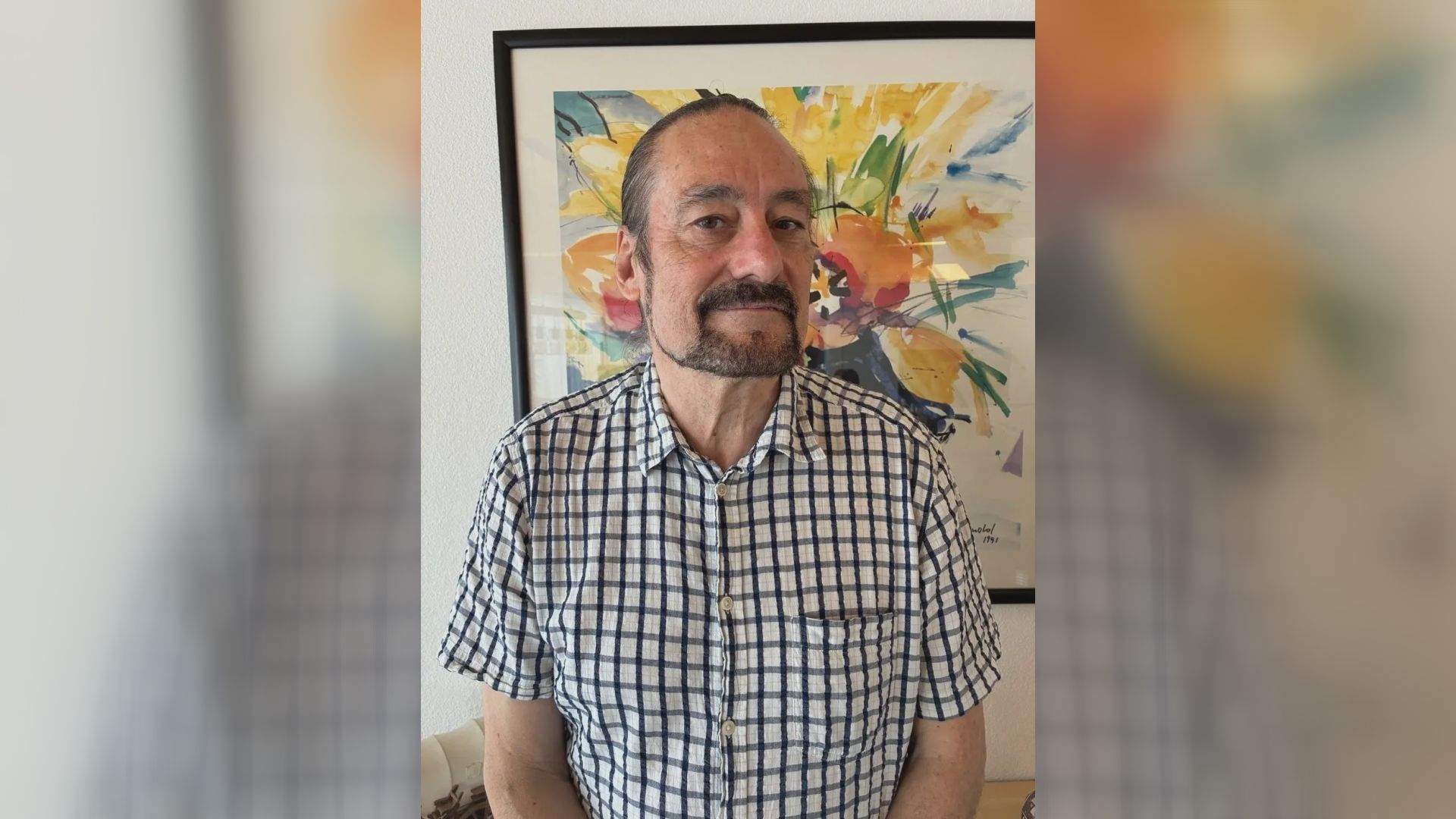
Thousands of sacred Indigenous items are currently sitting in boxes outside Zurich, Switzerland. They belong to Vincent Escriba, a 67-year-old collector who spent decades accumulating around 3,500 artifacts. Now that he's retired and his private museum has closed, he wants to send them home to North America.
It sounds like a straightforward good news story. A private collector wants to do the right thing, and First Nations advocates want their heritage back. But look closer, and you see the massive financial and ethical roadblock that hits private repatriation.
Escriba isn't giving the items away. He wants to sell the collection as a single lot for an estimated $13 million to $17 million.
This price tag creates a massive dilemma. Indigenous advocates are scrambling to raise $20 million to cover the purchase and authentication costs. This situation highlights a bigger issue. How should we handle the return of cultural items when they are held by private individuals who want millions to give them back?
The Heavy Cost of Buying Back History
For decades, international repatriation conversations centered on public institutions. We see major European and North American museums slowly returning items taken during colonial times. Private collections are a totally different story. They operate under property laws, not international pressure or public ethics.
Escriba started his collection in the 1970s. His first purchase was a pair of children's moccasins from 1860. Over fifty years, he added sacred pipes, cradleboards, firearms from the Battle of the Little Bighorn period, and highly detailed beadwork. He bought these items from pawnshops, other collectors, and even directly during visits to North American communities.
Because he has no heirs, Escriba decided to sell. He says his heart and financial resources went into the museum, making a free donation impossible.
The Bringing Them Home Project, a Manitoba-based advocacy group, is trying to secure funding. They want federal governments and tribal councils in Canada and the United States to step up. Indigenous leaders like Karl Stone, a councillor from Dakota Tipi First Nation who traveled to Switzerland to view the collection, say these items are living extensions of their people. They aren't just historical objects.
But raising millions of dollars to buy back your own ancestors' heritage is a tough pill to swallow.
The Complicated Ethics of Private Sales
Many experts view paying millions to private collectors as a troubling approach. Cody Groat, an Indigenous scholar, points out that historic collectors often marketed Indigenous people as an exotic, "dying race." Even when collectors mean well, many artifacts left their original communities under severe duress, poverty, or outright theft.
When a private collector demands market value, it forces communities into a tough spot. If they don't buy the items, the pieces could easily disappear into the private market. Indigenous advocate Coleen Rajotte warned that without immediate funding, the artifacts could end up displayed under glass in a private office in New York or Dubai.
What it Takes to Move Forward
This case shows that we need a better framework for dealing with private international collections. Relying on frantic, multi-million-dollar fundraising campaigns isn't a sustainable way to recover history.
If you want to support these types of cultural recovery efforts, you can take a few practical steps.
- Support localized repatriation groups: Organizations like the Bringing Them Home Project need direct support to fund appraisers, organizers, and secure transport.
- Push for policy changes: Write to federal cultural departments to advocate for dedicated public funds that help communities buy back or legally claim significant private collections held abroad.
- Educate yourself on regional provenance: Learn about the provenance, or origin history, of artifacts in your local museums to see if those institutions actively work with local nations to return items.
The artifacts in Switzerland belong with the Dakota, Lakota, Ojibwe, and Cree nations. Solving the financial hurdle to get them there will set a major precedent for thousands of other private collections around the world.