Today, voters in Africa's second-smallest nation by population are heading to the ballot box under a cloud of unprecedented political friction. It's easy for global observers to overlook a tiny two-island archipelago sitting 250 kilometers off the coast of Gabon, but what's happening right now in Sao Tome and Principe is a high-stakes constitutional drama that could reshape democratic stability in the Gulf of Guinea.
If you think this is just another routine election, you're missing the real story. This vote is the direct fallout of an institutional earthquake that shattered the country's political elite over the past year.
At its core, this election isn't just about choosing a ceremonial figurehead. It's a raw, public performance of a bitter intraparty feud that has split the ruling establishment right down the middle, leaving a once-stable democracy navigating dangerously rocky waters.
The Institutional Meltdown Behind the Ballots
To understand why the energy on the ground is so tense right now, we have to look back to January 2025. That's when President Carlos Vila Nova made a radical move. He fired Prime Minister Patrice Trovoada, accusing him of prolonged absences and a total failure to govern.
Trovoada didn't go quietly. He called the move illegal and unconstitutional. The Supreme Court actually agreed with him, ruling that the president had overstepped his constitutional powers. But in a bizarre legal twist, the court declared its decision wouldn't have retroactive effect. The firing stood.
The political fallout was immediate and messy. After a chaotic week of musical chairs that saw Justice Minister Ilza Amado Vaz briefly step into the role and promptly resign, Américo Ramos took over as Prime Minister. The problem? Ramos wasn't endorsed by his own party, the Independent Democratic Action (ADI).
This split the ADI into two warring camps:
- The loyalist faction backing the ousted Trovoada.
- The breakaway faction supporting Prime Minister Ramos and President Vila Nova.
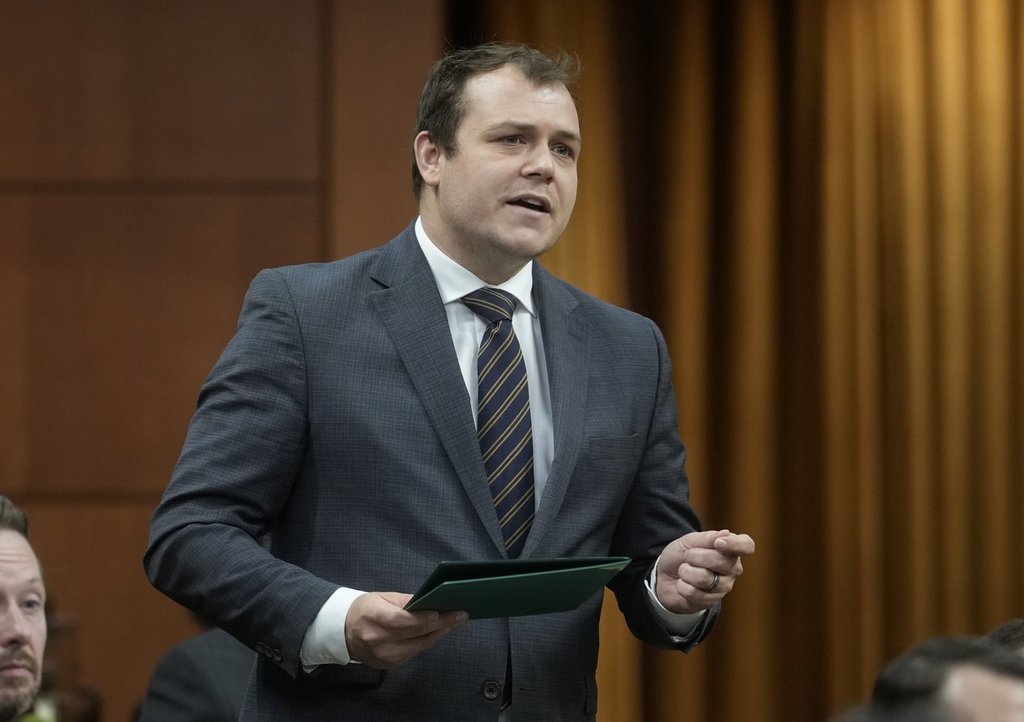
Because of this internal war, the ADI refused to back the incumbent president for re-election. Instead, they threw their weight behind 43-year-old Nito Abreu, the leader of the ADI parliamentary group. Shut out by his own party, Carlos Vila Nova is on the ballot today running as an independent.
A Fragmented Field and Disqualified Contenders
The political chaos only deepened in June 2026, when the Constitutional Court invalidated the high-profile candidacy of Nino Monteiro, a prominent businessman and football federation president who had the backing of the MCI-PS party. The disqualification sparked furious debate and allegations of fraud, fueling an already volatile atmosphere.
Adding to the confusion, Jorge Bom Jesus, the leader of the opposition MLSTP-PSD, technically withdrew from the race after his party surprisingly decided to back the incumbent Vila Nova. But because he missed the legal deadline to pull out, his name is still sitting right there on the ballot paper.
Out of the 142,296 registered voters—including over 20,000 citizens voting from the diaspora in Europe and across Africa—many feel pulled between a confusing web of personal vendettas rather than distinct policy platforms.
Real Grievances Fueling the Fire
It's tempting to view this entirely as an elite power struggle, but that ignores the real-world pressure cooker the population is living through. The political theater in the capital is playing out against a backdrop of deep socio-economic misery.
People are furious, and honestly, it's easy to see why. The islands are plagued by chronic power outages, severe fuel shortages, sky-high youth unemployment, and an inflation rate that makes basic daily survival an uphill battle. The political class has spent the last 18 months fighting over titles and constitutional technicalities while doing next to nothing to address these systemic issues.
The Red Cross recently raised its election risk level from low to moderate. We aren't looking at a total collapse, but the campaign trail has already been hit by hate speech, localized clashes, and incidents that forced the police to step in. The African Union has deployed an election observation mission led by former Mozambican President Filipe Nyusi just to keep a lid on things.
What Happens Next
This vote won't fix the country's issues overnight. If no single candidate takes more than 50% of the vote today, the race heads to a tense run-off election between the top two candidates.
But the real date to watch is September 27, 2026. That's when the country holds its legislative elections. Because Sao Tome and Principe operates under a hybrid system where the prime minister holds the real executive power, today's presidential vote is just the opening salvo. It will set the narrative, test the strength of the fractured coalitions, and determine who holds the upper hand going into a brutal parliamentary campaign this autumn.
If you want to track how this unfolding situation impacts regional stability and maritime security in the Gulf of Guinea, keep a close eye on the preliminary statements from the African Union observers due out on July 21. Watch whether the losing factions accept the initial results or take to the streets. The next 48 hours will tell us if Sao Tome's famous reputation for peaceful democratic transitions can survive its worst political crisis in decades.