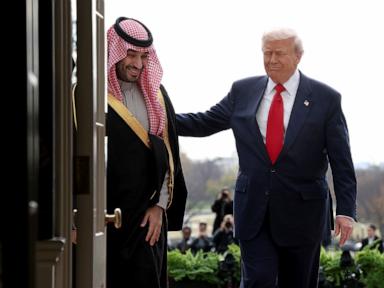
Foreign policy bargains rarely come clean, but the White House's latest maneuver in the Middle East takes tactical maneuvering to an entirely different altitude. President Donald Trump has approved a civil nuclear agreement with Saudi Arabia that opens the door to domestic uranium enrichment. It is a high-stakes gamble. Washington wants to lock down regional alliances and edge out international competitors, but lawmakers and nonproliferation experts are sounding alarms.
The Dangerous Allure of Nuclear Leverage
Let's look at what is actually happening. Riyadh has long desired its own fuel-making capabilities. For years, U.S. administrations insisted on the strict "gold standard"—a total ban on enrichment and reprocessing to keep atomic material away from unstable regions. This new framework bends those traditional red lines. Under the expected terms of the 30-year pact, American firms will help build out a civilian energy infrastructure, while a joint study will evaluate constructing an enrichment facility inside the kingdom.
Why risk it? Simple math on geopolitical influence. If Washington doesn't sell the reactors and control the fuel cycle, other global powers will step right into the vacuum.
However, trading strict nonproliferation guards for immediate diplomatic control creates massive vulnerabilities. Crown Prince Mohammed bin Salman has previously made it clear that if rival states develop nuclear weapons, Saudi Arabia will follow suit. Spinning centrifuges on Saudi soil change the regional equation overnight.
Missing Safeguards and Sudden Policy Shifts
The details leaking out of Washington and diplomatic channels reveal troubling gaps. Reports indicate the agreement might bypass the International Atomic Energy Agency’s Additional Protocol—the gold standard for intrusive inspections and verification. Without those extra layers of oversight, tracking hidden facilities becomes infinitely harder.
To make matters more chaotic, the politics shifted almost immediately after the initial announcement. Following fierce pushback from Capitol Hill and security analysts, Trump took to social media to throw cold water on the rollout, declaring that the deal is strictly conditioned on Riyadh joining the Abraham Accords and normalizing relations with Israel. He also abruptly insisted that "there will be no enrichment of material," creating immediate confusion between what was secretly signed and what is being publicly argued.
Saudi officials pushed back instantly, pointing out that an agreement was already inked and nothing was left to renegotiate. This whiplash highlights a messy internal disconnect between the executive branch's desire for a quick diplomatic win and the stark reality of atomic proliferation risks.
What Congress Can Do Next
The fight isn't over. Under the Atomic Energy Act, this pact must head to Congress for a mandatory 90-day review period. Lawmakers now hold the pen on whether this initiative survives or gets blocked by a joint resolution of disapproval.
If you are tracking where this goes, watch the committee hearings on Capitol Hill over the coming weeks. Expect heavy bipartisan pushback led by legislators who view unmonitored enrichment rights as a recipe for a devastating Middle Eastern arms race. The administration wanted leverage, but they might have just opened Pandora's box.
Trump says Saudi Nuclear deal is OFF without Israel ties
This video provides an up-to-date look at the sudden policy shifts surrounding the U.S.-Saudi nuclear agreement and the new conditions tied to Middle Eastern diplomacy.
http://googleusercontent.com/youtube_content/1