You think you’re keeping your baby safe by buying highly rated gear online, but tech giants are failing you.
A massive investigation by UK consumer champion Which? has exposed a terrifying reality. Major online marketplaces are flooded with hundreds of lethal, non-compliant baby products. We’re talking about items like self-feeding prop feeders that cause choking and baby sleep pillows that suffocate infants.
Which? found 150 deeply dangerous products actively listed for sale on platforms you probably use every week. Alibaba, AliExpress, Amazon, eBay, Etsy, OnBuy, and TikTok Shop were all caught allowing these death traps onto their sites. Amazon alone accounted for nearly a quarter of the flagged products, despite branding itself as a leader in safety detection.
The harsh truth is that online retail platforms won't protect your family. The responsibility falls entirely on you.
The Lethal Items Hiding in Plain Sight
The details of the report are stomach-churning for any parent. This isn't about missing labels or minor technicalities. These products can kill babies.
Investigators found 54 self-feeding devices across Alibaba, Amazon, eBay, OnBuy, and TikTok Shop. These props allow a bottle to be held in a baby’s mouth without adult supervision. The Office for Product Safety and Standards (OPSS) issued an urgent alert banning these things back in 2022. They pose an immediate risk of silent choking or aspiration pneumonia. If milk enters a baby's lungs, they can't cry out for help.
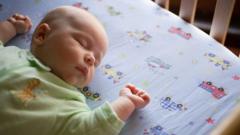
Then come the sleep products. Which? spotted 37 infant sleep pillows on AliExpress, Amazon, Etsy, OnBuy, and TikTok Shop. Sellers actively market these for newborns and show them inside cots, ignoring clear 2025 OPSS warnings that infant pillows cause suffocation, overheating, and sudden infant death syndrome (SIDS).
The investigation also uncovered 59 baby sleeping bags on Alibaba, AliExpress, Amazon, eBay, and Etsy that blatantly violate safety standards. They feature hoods or completely lack armholes, creating a tight pocket that can easily slide up and cover a baby's mouth and nose. Etsy was the worst offender here, hosting 38 of these dangerous sleeping bags, including a knitted hooded sack pictured covering an infant's face.
Why Big Tech Gets Away With It
When caught, the marketplaces roll out the exact same corporate script. They say consumer safety is their highest priority. They delete the specific listings flagged by investigators. They promise to enhance their filters.
It’s all theater.
The core issue is that tech platforms profit from third-party sellers while dodging the legal liability of a traditional brick-and-mortar retailer. If a physical shop sells a toy that chokes a child, they face catastrophic fines and criminal charges. If an overseas seller dropshops a lethal baby sack through a massive online fulfillment center, the platform claims they’re just the middleman.
Ebay pointed out that its AI and expert teams caught some items early, while Amazon stated it takes customer safety seriously and prohibits non-compliant goods. But automated filters don't work when third-party sellers use sneaky keywords or tweak images to bypass detection. Until governments enforce strict legal liability on the platforms themselves, dangerous products will keep reappearing under new seller names.
How to Spot a Death Trap Before You Buy
Don't assume a product is safe just because it has four stars on an e-commerce platform. Follow these rules to protect your baby when shopping online.
Check the seller's location. If the item is shipped directly from an anonymous warehouse overseas, skip it. Stick to official brand stores or verified, reputable baby retailers.
Watch out for generic, keyword-stuffed titles. If a product listing uses a string of random words like "bunny newborn sleeping nest warm cozy cushion," it’s highly likely an unvetted, mass-produced item that hasn't undergone rigorous safety testing.
Look closely at the product images. If a sleeping bag has a hood, or if a sleep positioner claims to fix flat head syndrome, walk away. Safe sleep guidelines are clear: a baby needs a firm, flat, waterproof mattress with a fitted sheet, and absolutely nothing else in the cot. No pillows, no bumpers, and no props.
Take Action on Hazardous Items
If you bought one of these items, stop using it immediately. Throw it out so no one else can use it.
You can report hazardous goods directly to safety watchdogs. In the US, log the details at SaferProducts.gov. In the UK, flag the item to your local Trading Standards department. Never rely on the marketplace's internal report button to do the right thing. It takes aggressive regulatory pressure and public exposure to force these tech giants to clean up their platforms.
Watch this investigation into unsafe products sold online to understand how disguised and hazardous items easily slip through the cracks of online marketplaces.